
2026-10-10 · David Ramirez
Step-by-Step Guide to Spotting Slab Leaks in Greenacres Properties
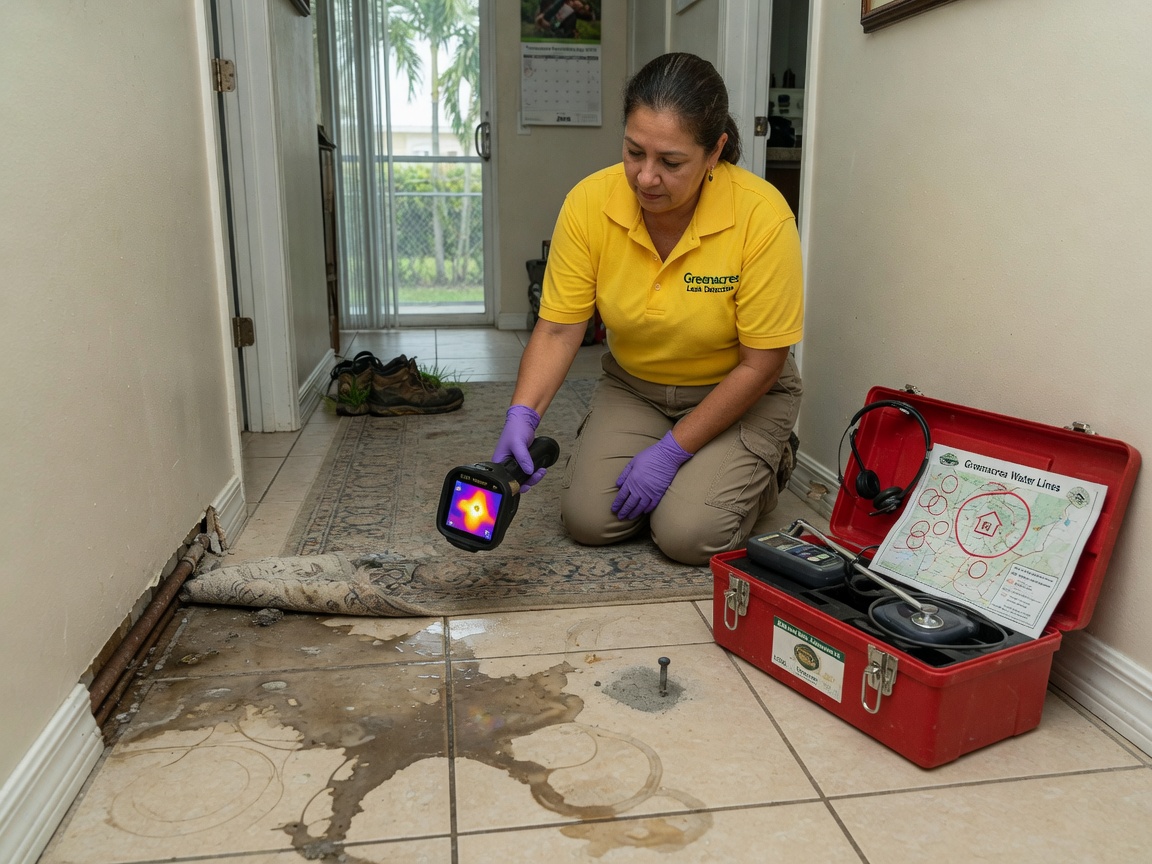
Spotting slab leaks in Greenacres properties often involves a combination of careful observation and understanding the unique characteristics of homes in our area, many of which are built on concrete slabs. The process begins with recognizing subtle changes in your home's environment, such as unexplained dampness, unusual sounds, or unexpected increases in your utility bills. Given our subtropical climate, where high humidity and occasional heavy rains are common, these signs can sometimes be mistaken for other issues, making diligent observation even more critical. Early detection is key to mitigating potential structural damage, mold growth, and escalating repair costs that can arise from a persistent leak beneath your home's foundation.
Understanding the Greenacres Foundation Landscape
Many homes throughout Greenacres, from the older neighborhoods around Military Trail to newer developments near Jog Road, are constructed on concrete slab foundations. This construction method is common in our region due to the stable soil conditions, but it also means that plumbing lines are often embedded directly within or beneath this concrete. Over time, factors such as soil shifting—even minor tremors from local construction or heavy rainfall—can cause pipes to corrode, crack, or separate. The constant pressure from our municipal water supply, combined with the occasional temperature fluctuations that affect pipe materials, contributes to the wear and tear that ultimately leads to slab leaks. Recognizing this foundational reality is the first step in understanding why vigilance is so important for Greenacres homeowners.
Initial Visual and Auditory Checks
The first step in identifying a potential slab leak is to engage your senses. Walk through your home, paying close attention to any unusual sights or sounds. Look for discoloration or damp spots on your floors, especially on carpeted areas or tile grout, which might indicate water seeping up from below. In areas with laminate or wood flooring, you might notice buckling or warping. Listen carefully for the sound of running water when all faucets are off and no appliances (like washing machines or dishwashers) are in use. This phantom sound, often described as a constant trickle or drip, can be a strong indicator of a hidden leak. Pay particular attention to areas near bathrooms, kitchens, and utility rooms, as these tend to have higher concentrations of plumbing lines. Sometimes, the sound is more pronounced at night when ambient noise is lower, making it easier to pinpoint.
Monitoring Your Water Meter
One of the most reliable ways to confirm a hidden leak, including a slab leak, is to monitor your water meter. This method requires a bit of patience but can provide definitive proof. First, ensure that no water is being used inside or outside your home—turn off all faucets, showers, irrigation systems, and make sure no appliances are running. Locate your water meter, typically found near the street or property line. Note the reading on the meter. Wait for 15–30 minutes, then check the meter again. If the numbers have changed, even slightly, it indicates that water is still flowing somewhere, suggesting a leak. For a more detailed analysis, you can also check the small leak indicator dial on most meters; if it's spinning when no water is in use, you almost certainly have a leak. This test is crucial for confirming a high water bill caused by a slab leak, which is a common complaint among Greenacres residents.
Checking for Warm Spots on Floors
A very specific sign of a hot water slab leak is the presence of warm spots on your floors. If a hot water line beneath your slab is leaking, the escaping hot water will transfer heat to the concrete above it, making that section of the floor noticeably warmer to the touch than surrounding areas. Carefully walk barefoot across your floors, especially in areas where plumbing lines are likely to run, such as hallways or near water heaters. Pay close attention to any localized warmth. This sign is particularly telling because cold water leaks do not produce this effect. If you detect a warm spot, it strongly suggests an issue with your hot water lines and warrants immediate investigation. This is a classic indicator that often leads Greenacres homeowners to seek professional assistance for /services/warm-floors-and-hidden-slab-leaks.
Observing Exterior Signs and Landscape Changes
Slab leaks don't always manifest solely inside your home. Sometimes, the water finds its way to the exterior, leading to noticeable changes in your yard or around your foundation. Look for unexplained damp spots or standing water in your lawn adjacent to your home's foundation, even during dry periods. You might also notice lush, greener patches of grass in specific areas, as the leaking water acts as an unintended irrigation source. Conversely, if the leak is washing away soil, you could observe sinkholes or depressions forming near the foundation. Cracks in the exterior foundation or pathways could also be exacerbated by persistent moisture. These external indicators, particularly relevant in the sandy soils prevalent in the Greenacres area, can often be the first visible clue that there's /services/water-leaking-through-the-concrete-slab and it's making its way out.